Birds of Hawaii: A Comprehensive Guide (Updated November 29, 2025)
Hawaii’s diverse avian world, from native honeycreepers to introduced species like the Red Junglefowl, faces unique challenges; this guide details identification,
conservation, and current bird flu monitoring efforts across the islands.
Hawaii’s birdlife represents a fascinating story of evolution, isolation, and increasing vulnerability. The islands, geographically remote, fostered the development of unique species, notably the Hawaiian honeycreepers, showcasing remarkable adaptive radiation. However, this isolation also rendered them exceptionally susceptible to introduced predators, diseases like avian malaria and poxvirus, and habitat loss.

Historically, Hawaii boasted a rich avifauna, but many native birds are now endangered or extinct. Today, the bird community comprises both endemic species – found nowhere else – and introduced birds, including the common Red Junglefowl. Understanding the delicate balance of this ecosystem is crucial, especially with the recent emergence of bird flu (H5N1) concerns and ongoing conservation initiatives. This guide aims to provide a comprehensive overview of Hawaiian birds, their challenges, and how to contribute to their protection.
Geographic Distribution of Hawaiian Birds
Hawaiian birds exhibit varied distributions across the islands, influenced by habitat availability, elevation, and species-specific adaptations. While some species, like the Hawaiian Coot, are found throughout the archipelago, others have restricted ranges. For example, the rare Akeake (Band-Rumped Storm Petrel) is primarily observed near Hawaii Volcanoes National Park, with sightings being infrequent.
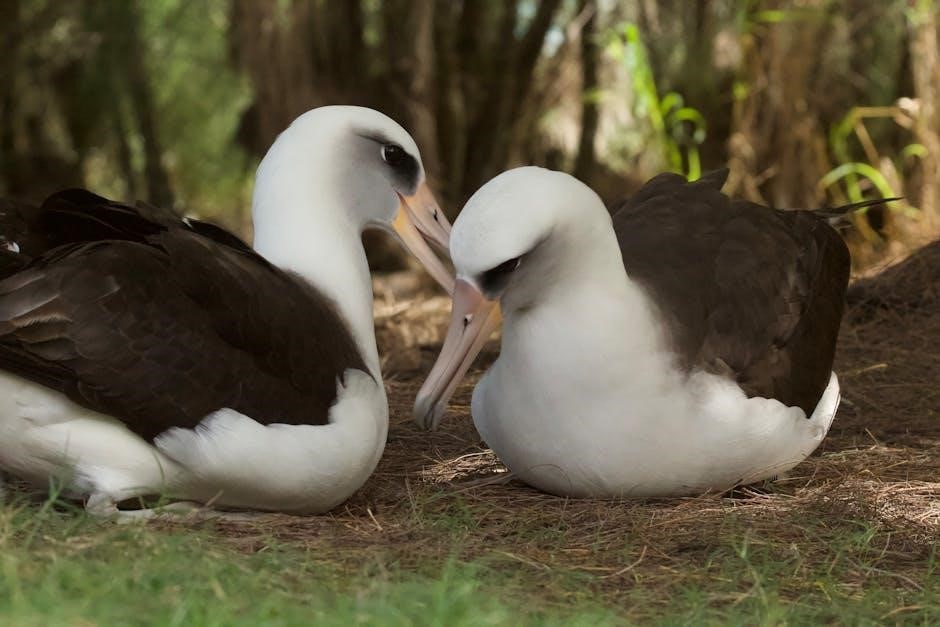
Maui presents unique birding hotspots, supporting diverse populations. Introduced species, such as the Gray Francolin and Chukar, have established themselves in various habitats. Elevation plays a critical role; higher elevations often harbor endemic forest birds, while lower areas support introduced species and migratory visitors. Monitoring efforts are crucial to track shifts in distribution, particularly in light of climate change and disease outbreaks like avian influenza, impacting bird populations across Hawaii.
Native Hawaiian Bird Species
Hawaii’s native birdlife represents a remarkable example of evolutionary adaptation, though sadly, many species face severe threats. Historically, the islands boasted a rich diversity of birds, uniquely evolved in isolation. Today, a significant portion of these species are endangered or extinct, highlighting the urgent need for conservation. The Hawaiian Coot, Fulica alai, remains a notable example of a native species persisting despite challenges.
However, the most iconic group is undoubtedly the Hawaiian honeycreepers, exhibiting incredible beak diversity adapted to various food sources. These endemic birds are particularly vulnerable to avian diseases and habitat loss. Understanding the distribution and ecological roles of these native species is crucial for effective conservation strategies, ensuring their survival for future generations.
Endemic Hawaiian Honeycreepers
Hawaiian honeycreepers exemplify adaptive radiation, evolving from a single finch ancestor into over fifty species, though many are now extinct or critically endangered. Their beaks showcase remarkable diversity, specialized for nectar feeding, seed cracking, and insect gleaning. Iconic species include the ‘I’iwi, with its curved bill for accessing nectar, and the Palila, adapted to feeding on māmane seeds.
Sadly, these birds are exceptionally vulnerable to avian malaria and poxvirus, diseases transmitted by introduced mosquitoes. Habitat loss and climate change further exacerbate their plight. Conservation efforts focus on mosquito control, habitat restoration, and captive breeding programs. The Akeake, or band-rumped storm petrel, is rarely seen, but represents the resilience of Hawaiian avifauna.
Introduced Bird Species in Hawaii
Hawaii’s birdlife has been significantly altered by the introduction of numerous non-native species, beginning with the Polynesian settlers. Today, many introduced birds are widespread and impact native ecosystems. The Red Junglefowl, ancestor of the domestic chicken, is a common sight, often found near agricultural areas and human settlements. Other frequently observed species include the Gray Francolin and Chukar, both game birds established through intentional releases.
While some introduced birds fill ecological niches, they can also compete with native species for resources and contribute to habitat degradation. Monitoring their populations and understanding their interactions with the environment is crucial for effective conservation management. The spread of avian diseases is also facilitated by these non-native populations.
Common Introduced Species: Red Junglefowl & Others
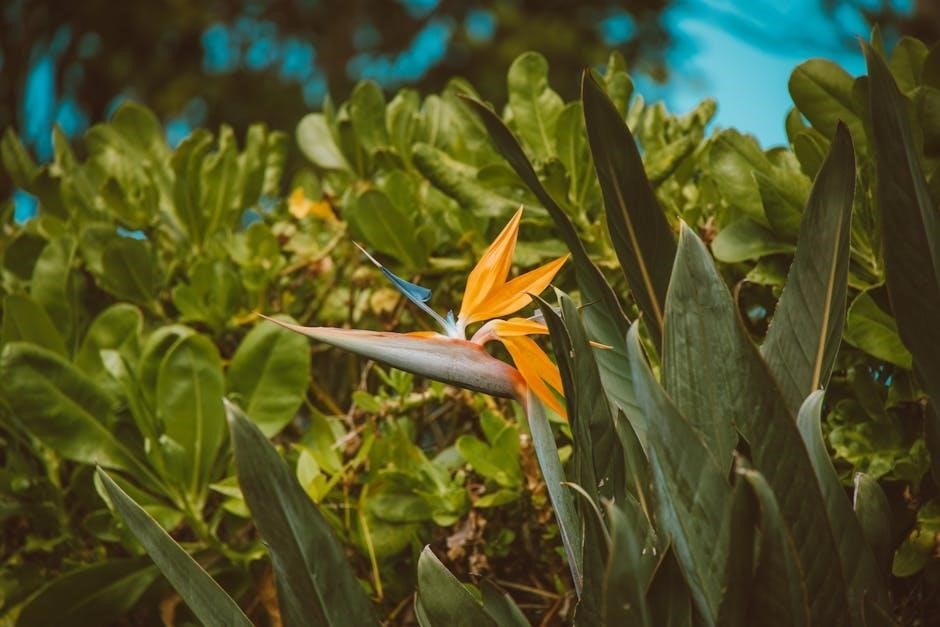
The Red Junglefowl (Gallus gallus), a direct ancestor of the domestic chicken, is arguably the most recognizable introduced bird in Hawaii. Thriving in diverse habitats, from forests to farmlands, they are frequently observed foraging and roosting. Beyond the Junglefowl, the Gray Francolin (Francolinus pondicerianus) and Chukar (Alectoris chukar) are established game birds, introduced for hunting purposes and now widespread across certain islands.

These species, while seemingly benign, present ecological challenges. They compete with native birds for food and nesting sites, and contribute to seed dispersal of invasive plants. Ongoing monitoring assesses their population dynamics and potential impacts. Chicken farmers are currently urged to take precautions against potential avian influenza spread, highlighting the risks associated with these populations.
Threats to Hawaiian Bird Populations
Hawaiian birdlife faces a complex web of threats, driving many species towards extinction. Habitat loss, stemming from urbanization, agriculture, and invasive plant species, significantly reduces suitable nesting and foraging grounds. Climate change exacerbates these issues, altering ecosystems and increasing the frequency of extreme weather events.
However, disease represents the most devastating factor. Avian malaria and avian poxvirus, transmitted by introduced mosquitoes, are particularly lethal to native birds lacking evolved immunity. Invasive species, beyond mosquitoes, contribute to predation and competition. Human activity, including accidental introductions of pathogens and habitat disturbance, further compounds these challenges, demanding urgent conservation action;
Avian Malaria and Avian Poxvirus
Avian malaria and avian poxvirus pose critical threats to Hawaiian birds, largely due to the birds’ lack of evolved resistance. Introduced mosquitoes, carriers of these diseases, have expanded their range with habitat alteration and climate change, exposing previously unaffected high-elevation forests.
Malaria causes anemia and organ failure, often proving fatal, while avian poxvirus results in debilitating lesions and deformities, hindering feeding and flight. These diseases disproportionately impact native forest birds, contributing significantly to population declines. Control efforts focus on mosquito control and habitat restoration, aiming to reduce disease transmission and bolster bird resilience. Understanding disease dynamics is crucial for effective conservation strategies.
Habitat Loss and Climate Change
Habitat loss, driven by agriculture, urbanization, and invasive species, severely impacts Hawaiian bird populations. Historically, extensive forests provided crucial breeding and foraging grounds; however, significant portions have been converted or degraded. Climate change exacerbates these issues, altering rainfall patterns and increasing temperatures, leading to shifts in vegetation zones.
These changes disrupt food availability and breeding cycles, stressing already vulnerable species. Rising sea levels threaten coastal habitats, while increased frequency of extreme weather events further degrades ecosystems. Conservation efforts prioritize habitat restoration, invasive species control, and mitigating climate change impacts to safeguard the future of Hawaiian birds. Protecting remaining forests is paramount.
Conservation Efforts in Hawaii
Numerous organizations and agencies are dedicated to Hawaiian bird conservation, employing diverse strategies. Habitat restoration projects focus on re-establishing native forests, crucial for many endemic species. Invasive species control, including predators like rats and feral pigs, is a high priority, utilizing trapping and other methods.
Disease mitigation, particularly addressing avian malaria and poxvirus, involves mosquito control and potential vaccine development. Captive breeding programs aim to bolster populations of critically endangered birds, with eventual reintroduction plans. Citizen science initiatives, like bird monitoring programs, contribute valuable data. The Department of Health actively surveys and monitors bird flu outbreaks, urging precautionary measures for backyard flocks.
Identifying Common Hawaiian Birds
Successful bird identification relies on observing key “field marks.” Note the bird’s size, shape, and plumage coloration. Pay attention to beak shape – honeycreepers exhibit diverse beak adaptations for feeding. Observe behavior; is the bird foraging in trees, on the ground, or in flight?
Listen carefully to vocalizations, as songs and calls are often distinctive. Common species like the Hawaiian Coot (Fulica alai) and Red Junglefowl (Gallus gallus) have readily identifiable features. Utilize field guides and online resources for comparison. Consider habitat; certain birds are more likely to be found in specific environments. Careful observation and practice are essential for accurate identification.
Field Marks for Identification
Essential field marks include plumage patterns – wing bars, eye stripes, and rump patches are crucial. Note leg and bill color, as these can be diagnostic. Observe the bird’s posture and gait; is it upright or hunched? Consider the shape of the tail – is it forked, rounded, or squared?
Habitat provides context; a bird seen in a forest is different than one near the coast. Vocalizations are key; learn common songs and calls. Size comparison is helpful – is it smaller than a sparrow, or larger than a crow? Document your observations carefully, noting date, time, and location. Utilizing binoculars and a field guide enhances accuracy, leading to confident bird identification.
Hawaii Volcanoes National Park Birdwatching
Hawaii Volcanoes National Park offers exceptional birding opportunities, showcasing unique species adapted to volcanic landscapes. The park is graced by rare sightings, like the fledgling Band-rumped Storm Petrel (Akeake), a seldom-seen endemic bird. Explore diverse habitats, from lush rainforests to barren lava fields, each supporting distinct avian communities.
Look for native Hawaiian honeycreepers, though populations are fragile. Introduced species, such as the Red Junglefowl, are also commonly observed. Early mornings provide the best viewing, as birds are most active. Remember to respect the environment and maintain a safe distance from wildlife. Bring binoculars, a field guide, and water for a rewarding birding experience.
Rare and Endangered Hawaiian Birds
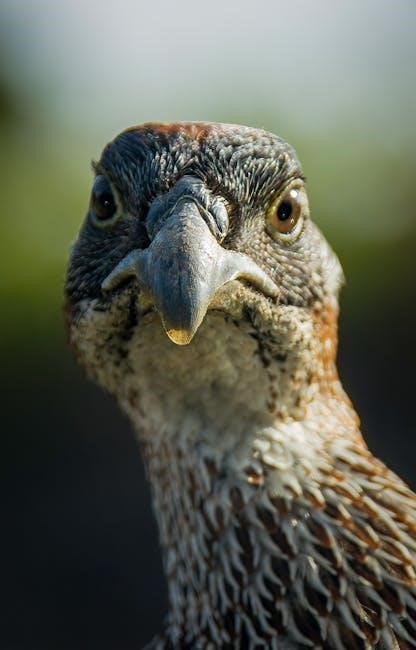
Hawaii’s isolation has fostered a remarkable number of endemic bird species, many now critically endangered. The Akeake, or Band-rumped Storm Petrel, exemplifies this vulnerability, primarily heard rather than seen, with a recent fledgling sighting in Hawaii Volcanoes National Park marking a hopeful, yet rare, event.
Declining populations stem from multiple threats: habitat loss, climate change, and, crucially, avian diseases like malaria and poxvirus. Conservation efforts are vital for species like the ‘I’iwi and the ‘Akikiki. Protecting remaining habitats, controlling invasive species, and developing disease resistance are key strategies. Supporting organizations dedicated to Hawaiian bird conservation is crucial for their survival.
The Akeake (Band-Rumped Storm Petrel)
The Akeake (Band-rumped Storm Petrel) is a particularly elusive seabird endemic to Hawaii, primarily known for its distinctive, high-pitched calls rather than frequent visual sightings. These nocturnal birds nest in remote volcanic craters and cliffs, making observation challenging;
Recent excitement surrounded a rare fledgling sighting within Hawaii Volcanoes National Park, a first-time documented occurrence within the preserve. This highlights the ongoing need for research and monitoring to understand their breeding patterns and population trends. Conservation efforts focus on protecting nesting sites from predators and minimizing disturbance during breeding season. The Akeake’s survival depends on preserving its fragile island ecosystem.
Bird Flu (Avian Influenza) in Hawaii ⏤ Current Situation
Hawaii is currently experiencing its first-ever outbreak of avian influenza, raising concerns among poultry farmers and bird enthusiasts alike. Authorities are urging precautionary measures, particularly for those managing backyard flocks, to prevent further spread of the highly pathogenic H5N1 virus.
Recent cases have been identified in local flocks of ducks and other birds following a local pet fair, prompting warnings to attendees to monitor their birds for symptoms. The state Department of Health is actively monitoring the situation, though the specific subtype is still under investigation. A survey is underway to gather data from residents involved in bird keeping and rescue, aiding in effective response and mitigation strategies.
Recent Outbreaks and Monitoring
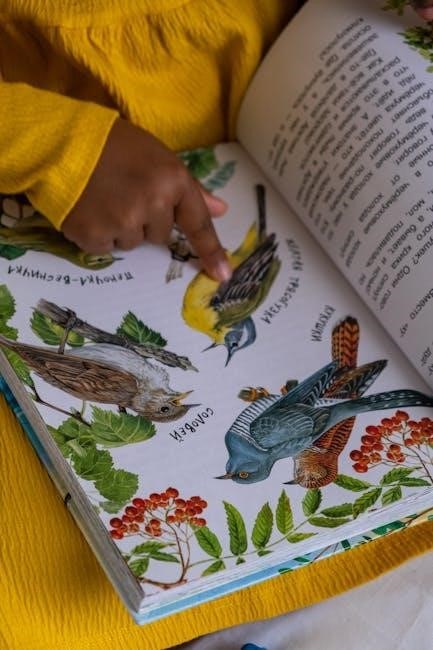
The initial detection of avian influenza in Hawaii occurred recently, marking the first confirmed presence of the virus within the state. This outbreak originated in a local flock following attendance at a pet fair, immediately triggering a public health response and heightened surveillance.
State epidemiologists are diligently working to determine the specific subtype of the virus, with initial concerns centering around the H5N1 strain. Ongoing monitoring efforts involve testing of both wild bird populations and domestic flocks to assess the extent of the spread and identify potential hotspots. The Department of Health is collaborating with federal and county agencies to implement control measures and prevent further outbreaks, emphasizing biosecurity protocols for bird owners.
Protecting Backyard Flocks from Bird Flu
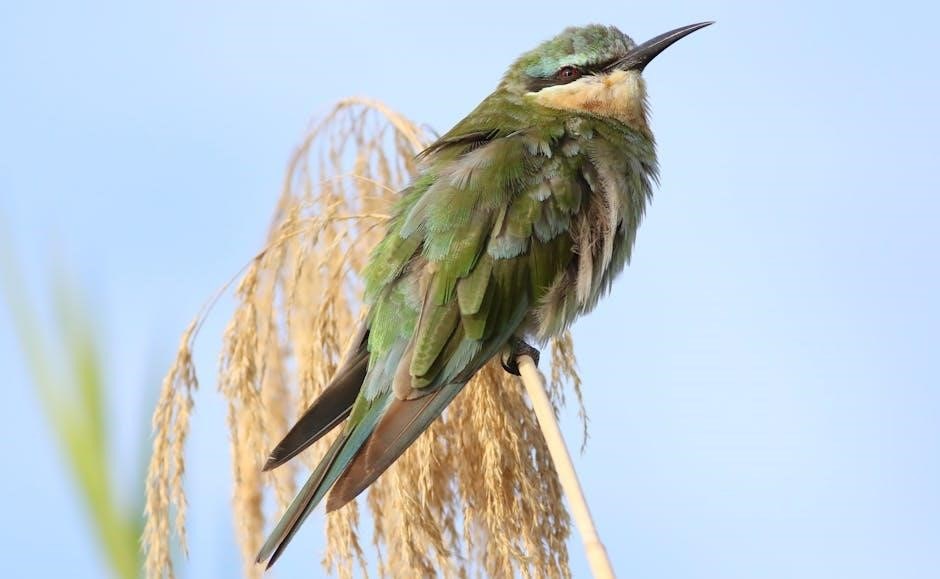
Hawaii’s Department of Health urges owners of backyard flocks to implement strict biosecurity measures to safeguard their birds against avian influenza. These precautions include preventing contact between domestic poultry and wild birds, particularly waterfowl. Maintaining clean coops and equipment, practicing good hygiene, and limiting visitors are crucial steps.
Participating in the Department of Health’s new survey is highly encouraged, providing valuable data for monitoring and response efforts. Reporting any sick or deceased birds immediately to authorities is essential. Farmers and bird rescuers should remain vigilant and adhere to recommended guidelines to minimize the risk of transmission. Proactive measures are vital to protect both flock health and the broader avian population.
Resources for Bird Identification
Numerous resources are available to assist in identifying Hawaii’s diverse birdlife. Comprehensive field guides, both in print and digital formats, provide detailed descriptions, illustrations, and range maps. Online databases, such as those maintained by Cornell University’s All About Birds and Audubon Society, offer extensive information, including audio recordings of bird songs and calls.
Local birding clubs and organizations frequently host workshops and guided walks, providing hands-on learning opportunities. Websites dedicated to Hawaiian birds, featuring photographs and identification tips, are also invaluable tools. Utilizing multiple resources and focusing on key field marks – plumage, size, shape, and behavior – will enhance identification skills and appreciation for Hawaii’s unique avian fauna.
Birding Locations in Hawaii
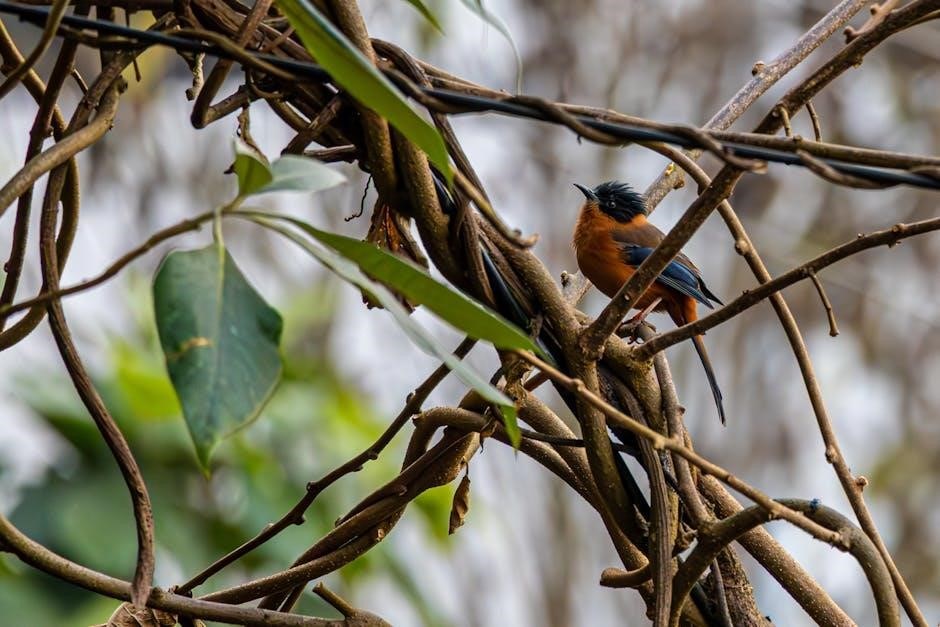
Hawaii offers exceptional birding opportunities across its islands. Maui boasts several hotspots, including the West Maui Mountains, known for endemic forest birds, and Kealia Pond National Wildlife Refuge, ideal for observing migratory waterfowl. Oahu’s Waimea Valley provides a lush setting for spotting various species, while the Hamakua Coast offers chances to view native forest birds.
Hawaii Volcanoes National Park, as mentioned, is a prime location, particularly for the elusive ‘akeake. Kauai’s Koke’e State Park is renowned for its diverse forest birdlife. Remember to check local conditions and access restrictions before visiting. Each location presents unique habitats and opportunities to encounter Hawaii’s remarkable avian biodiversity.
Maui Birding Hotspots
Maui presents diverse birding locations, catering to various interests. The West Maui Mountains are a premier destination, offering opportunities to spot endemic forest birds, though access can be challenging. Kealia Pond National Wildlife Refuge is a crucial habitat for migratory waterfowl, including the Hawaiian Coot, providing excellent viewing opportunities.
For coastal birding, explore the shores of Makena Beach State Park; Iao Valley State Monument, while known for its iconic Iao Needle, also attracts a variety of bird species. Remember to bring binoculars, a field guide, and respect the delicate ecosystems. Observing responsible birding practices ensures the preservation of Maui’s avian treasures for future generations.
The Role of Invasive Species
Invasive species significantly threaten Hawaiian bird populations, exacerbating existing challenges like habitat loss and climate change. Introduced predators, such as rats, feral cats, and mongooses, prey on native birds and their eggs, drastically reducing breeding success. Non-native plants alter habitats, diminishing food sources and nesting sites for endemic species.
Furthermore, introduced birds compete with native species for resources, disrupting ecological balance. The spread of avian diseases, facilitated by invasive mosquitoes, poses a severe threat, particularly avian malaria and avian poxvirus. Controlling invasive species is crucial for the conservation of Hawaii’s unique birdlife, requiring ongoing management and preventative measures.
Impact of Human Activity on Birdlife
Human activity has profoundly impacted Hawaiian birdlife, contributing to significant declines in native populations. Historical deforestation for agriculture and urbanization drastically reduced suitable habitat, fragmenting ecosystems and isolating bird communities. The introduction of non-native species, intentionally or accidentally, has compounded these effects, bringing predators and diseases.
Modern challenges include ongoing habitat loss from development, the effects of climate change altering ecosystems, and the potential spread of avian influenza impacting both wild and domestic bird populations. Responsible tourism, sustainable land management practices, and proactive conservation efforts are vital to mitigate these impacts and safeguard Hawaii’s avian biodiversity for future generations.
Citizen Science and Bird Monitoring Programs
Engaging the public in bird monitoring is crucial for understanding and protecting Hawaiian bird populations. Several citizen science programs actively collect valuable data on bird distribution, abundance, and health. These initiatives rely on volunteer participation, empowering individuals to contribute to conservation efforts.
The state Department of Health recently launched a survey targeting backyard flock owners and bird rescuers, aiming to gather critical data regarding avian influenza prevalence. Participating in these programs provides valuable insights for researchers and conservationists, informing management decisions and tracking the effectiveness of conservation strategies. Contributing observations, even simple sightings, can make a significant difference in safeguarding Hawaii’s unique avian heritage.
Future Outlook for Hawaiian Birds
The future of Hawaiian birds remains precarious, heavily influenced by ongoing threats like avian diseases, habitat loss, and climate change. Continued conservation efforts, including disease management and habitat restoration, are vital for species survival. The spread of avian influenza presents a new and significant challenge, demanding proactive monitoring and preventative measures.
Success hinges on collaborative action between federal, state, and local agencies, alongside dedicated citizen scientists and conservation organizations. Innovative strategies, such as assisted gene flow to enhance disease resistance, may become increasingly important. Ultimately, a sustained commitment to protecting Hawaii’s unique biodiversity is essential to ensure these remarkable birds thrive for generations to come.
Comments