Capezio Ballet Shoes Size Guide: A Comprehensive Overview (Updated February 18, 2026)
Capezio offers diverse sizing charts for optimal fit, encompassing adult, child, lyrical, acro, and tap shoes. Accurate sizing ensures support and comfort during dance.
Explore guides for footwear conversion, Lifeknit socks, and specific apparel, including boys’ and girls’ options. Capezio prioritizes a snug, supportive fit for dancers.
Refer to official size charts and consider half sizes or wider feet when selecting your shoes. Ballet Makers, Inc. copyright 2026.
Understanding Capezio Ballet Shoe Sizing
Capezio ballet shoe sizing differs significantly from standard street shoe sizing, demanding a dedicated understanding for a proper fit. Unlike regular footwear where comfort prioritizes cushioning, ballet shoes require a snug, supportive embrace to facilitate precise footwork and artistry. This close contact is crucial for pointe work and overall technique.
Generally, dancers, particularly men, begin with a size two to two-and-a-half sizes larger than their typical street shoe size. However, this is merely a starting point. Individual foot shapes, the specific Capezio style, and the desired level of snugness all influence the final selection.
Capezio employs various sizing systems across its range, including US Ladies sizes and specific charts for children’s shoes. Furthermore, the inclusion of Lifeknit socks impacts the fit, necessitating consideration during the sizing process. A proper fit isn’t just about length; width is equally vital, ensuring the shoe doesn’t constrict or allow excessive movement.
Understanding these nuances is paramount for dancers of all levels, preventing discomfort, blisters, and potential injuries. Consulting official Capezio size charts and, ideally, seeking professional fitting advice are highly recommended.
Why Accurate Sizing Matters for Ballet Shoes
Accurate ballet shoe sizing isn’t merely about comfort; it’s fundamentally linked to technique, injury prevention, and artistic expression. Ill-fitting shoes can severely hinder a dancer’s ability to execute movements correctly, compromising alignment and potentially leading to strain or injury.
Shoes that are too large create instability, making precise footwork difficult and increasing the risk of ankle rolls. Conversely, shoes that are too small constrict the foot, causing blisters, bunions, and hindering circulation. A snug fit, however, provides the necessary support for pointe work and allows dancers to articulate their feet effectively.
Capezio emphasizes a supportive fit, recommending a close embrace between the shoe and the foot. This connection enhances proprioception – the dancer’s awareness of their body in space – crucial for balance and control. Furthermore, proper sizing allows for seamless transitions between movements, contributing to fluidity and artistry.
Investing time in accurate sizing, utilizing Capezio’s charts, and considering individual foot characteristics is an investment in a dancer’s well-being and artistic potential.
Capezio Adult Ballet Shoe Size Chart
Capezio’s adult ballet shoe size chart provides a crucial starting point for finding the perfect fit. It correlates US ladies’ sizes with corresponding measurements, facilitating a more precise selection than relying solely on street shoe size.
The chart typically begins with a US ladies’ size 4, extending up to size 15, with corresponding sizes for Acro/Lyrical footwear indicated alongside. For example, a US ladies’ size 7 generally corresponds to a size S in Acro/Lyrical styles. It’s important to note that these are general guidelines, and individual feet may vary.
Capezio recommends that men begin with a shoe size two to two-and-a-half sizes larger than their regular street shoe size, acknowledging the anatomical differences in men’s feet. This initial sizing provides a foundation for fine-tuning the fit.
Always consult the most current chart available on Capezio’s official website, as variations may occur between styles. Remember to consider width and sock thickness when determining your ideal size.
Converting Street Shoe Size to Capezio Ballet Size
Converting your regular street shoe size to a Capezio ballet shoe size requires careful consideration, as ballet shoes are designed for a different fit – snug and supportive, rather than roomy. It’s rarely a direct one-to-one translation.
Generally, as a starting point, women should initially select a ballet shoe size similar to their street shoe size. However, for men, the recommendation is to begin two to two-and-a-half sizes larger than their typical street shoe size. This accounts for the different foot structure and the demands of ballet technique.
For children, the conversion is also approximate. Street shoe size 11-12 often corresponds to a Medium in Footundeez sizing, while sizes 1-2 may require a Large. Half sizes or feet that are wider than average should generally go up to the next full size.
Ultimately, these are merely suggestions. A precise fit necessitates measuring your feet (detailed in a separate section) and referencing Capezio’s specific size charts for the shoe style you’ve chosen.
Capezio Child Ballet Shoe Size Chart
Capezio provides a dedicated size chart to ensure a proper fit for young dancers. This chart correlates US Child shoe sizes with corresponding Capezio ballet shoe sizes, facilitating accurate selection.
According to the chart, a US Child size 5 translates to a Capezio size 6, while 5.5 corresponds to 6.5. Progressing through the sizes, 6 becomes 7, 6.5 equates to 7.5, 7 to 8, and 7.5 to 8.5. For larger feet, 8 maps to 9, 8.5 to 9.5, 9 to 10, and 9.5 to 10.5.
It’s crucial to remember that these are guidelines. Individual foot shapes and widths can influence the ideal size. Always prioritize a snug fit that supports the arch and allows for pointe work preparation (when appropriate).
Parents and dance instructors should regularly check the fit, as children’s feet grow rapidly. Referencing the official Capezio chart alongside a foot measurement is highly recommended for optimal comfort and performance. The Lily Ballet Slipper chart is a useful reference point.
Key Considerations for Men’s Capezio Ballet Shoe Sizing
Capezio men’s ballet shoe sizing requires careful attention due to anatomical differences and the demands of male technique. Unlike women’s sizing, men generally need to start with a shoe 2 to 2.5 sizes larger than their standard street shoe size.
This adjustment accounts for the broader foot shape and increased muscle mass typically found in men. A snug, supportive fit is paramount, preventing slippage and ensuring proper articulation of the foot; However, avoid overly tight shoes that can cause discomfort or restrict movement.
Consider the specific style of Capezio shoe. Variations in construction can subtly affect sizing. Always prioritize trying on shoes whenever possible, especially for first-time buyers.
Lifeknit socks can also influence fit; their thickness should be factored into the sizing decision. Men should prioritize a secure heel and sufficient room in the toe box. Regular checks are vital, as foot size can change with training intensity.
Sizing Differences Between Capezio Ballet Shoe Styles
Capezio offers a diverse range of ballet shoe styles, and subtle sizing variations exist between them. The classic canvas ballet slipper, like the Hanabi, generally runs true to size once the appropriate adjustments from street shoe size are made. However, styles incorporating leather or synthetic materials may require a slightly different approach.
For example, the Lily slipper, a popular choice for children, has a specific size chart that differs from the adult ranges. Lyrical and acro shoes, designed for greater flexibility and support, often have unique sizing considerations due to their construction.
Tap shoes, with their added sole and heel, necessitate a different fitting process altogether. Always consult the specific size chart for the chosen Capezio style.
It’s crucial to remember that individual foot shapes vary, and a size that fits perfectly in one style may not be ideal in another. Prioritize trying on shoes whenever feasible to ensure optimal comfort and performance.
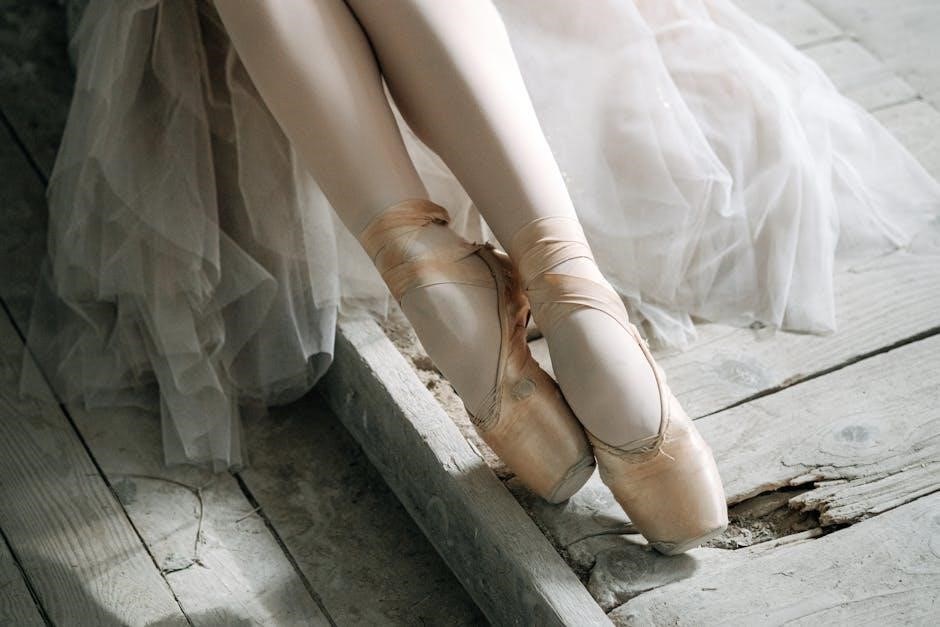
Capezio Footwear Conversion Guide: General Footwear Sizing
Capezio’s footwear conversion guide provides a foundational understanding for translating your regular shoe size into the appropriate ballet shoe fit. Men typically begin with a size two to two-and-a-half sizes larger than their standard street shoe size, accounting for the snug fit required for ballet.
For ladies, the conversion is more direct, but individual foot width and shape play a significant role. Street shoe sizes correlate to specific US Ladies sizes within the Capezio system. However, this is a starting point, not a definitive rule.
The guide also includes sizing for Footundeez, a popular sock choice for ballet dancers. Sizes range from Medium (11-12 street shoe) to XXL, accommodating various foot sizes. Half sizes or those with unusually wide or narrow feet should always round up to the next available size.
Remember, these conversions are general guidelines. Always prioritize a snug, supportive fit and consult specific style charts for the most accurate sizing information.
Lifeknit Sock Guide and its Relevance to Ballet Shoe Fit
Capezio’s Lifeknit socks are integral to achieving the correct ballet shoe fit, providing cushioning and preventing blisters. The Lifeknit Sock Guide offers specific sizing based on your street shoe size, ensuring optimal sock coverage within the ballet slipper.
The guide correlates street shoe sizes to Lifeknit sock sizes: 11-12 corresponds to Medium, 1-2 to Large, and 2-3 to X-Large. This ensures the sock doesn’t bunch or create pressure points inside the shoe. Proper sock fit is crucial, as it directly impacts how the ballet shoe feels and performs.
Choosing the correct Lifeknit size prevents the sock from slipping or being too tight, both of which can compromise comfort and technique. It’s recommended that individuals with half sizes or particularly wide feet opt for the next size up in the Lifeknit range.
Ultimately, the Lifeknit sock acts as a vital layer, influencing the overall fit and feel of your Capezio ballet shoes.
Measuring Your Feet for Capezio Ballet Shoes
Accurate foot measurement is paramount for selecting the correct Capezio ballet shoe size. Begin by tracing your foot on a piece of paper while standing with your weight evenly distributed. Measure the length from the heel to the longest toe in both feet – discrepancies are common!
Use a ruler or measuring tape, ensuring it’s held flat against the tracing. Measure in inches or centimeters, and always use the larger measurement if your feet differ in size. It’s best to measure at the end of the day when your feet are at their largest, due to natural swelling.
Consider wearing the Lifeknit socks you intend to use with your ballet shoes during the measurement process, as they add to the overall foot volume. Compare your measurement to the official Capezio size chart to determine your initial shoe size.
Remember, this is a starting point; individual foot shapes and preferences may necessitate adjustments.
Determining Your Width in Capezio Ballet Shoes
Beyond length, width is crucial for a comfortable and supportive fit in Capezio ballet shoes. Unlike street shoes, ballet slippers are typically available in limited width options – narrow, medium, or wide.
To assess your width, measure the circumference of your foot at the widest point, usually across the ball of your foot. Compare this measurement to Capezio’s width guidelines, often found alongside their size charts. If your measurement falls between sizes, it’s generally recommended to choose the wider option.
Consider your foot’s natural shape. If you have a high instep or prominent knuckles, a wider width may provide necessary relief. Conversely, a very narrow foot might benefit from a snugger fit to prevent slippage.
Pay attention to how the shoe feels when trying it on. A properly fitted shoe shouldn’t pinch or rub, but it should also feel secure and supportive.
Capezio Lyrical & Acro Shoe Size Charts
Capezio lyrical and acro shoes require specific sizing considerations due to their unique design and demands. These shoes blend ballet and jazz elements, necessitating a secure yet flexible fit for dynamic movements.
Capezio provides dedicated size charts for both lyrical and acro styles. These charts typically correlate US Ladies sizes with corresponding shoe sizes, often ranging from Child 5 to Adult 15. It’s vital to consult the chart specific to the shoe model you’re considering, as slight variations can occur.
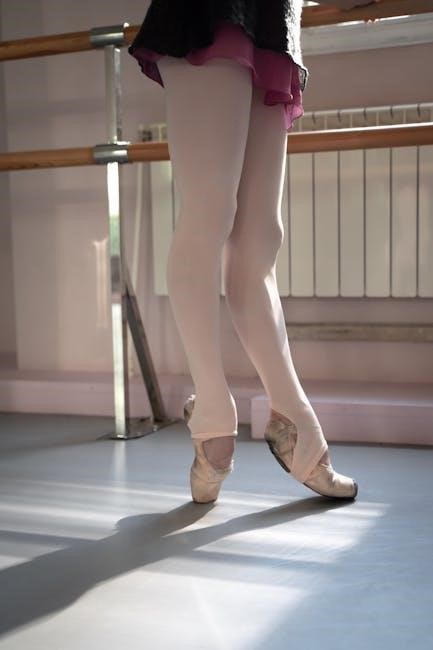
Acro shoes, designed for tumbling and acrobatic skills, often prioritize a snug, sock-like fit. Lyrical shoes, emphasizing fluidity and expression, may offer a slightly more relaxed feel.
When selecting a size, consider whether you prefer a more fitted or looser feel. If between sizes, opting for the smaller size is generally recommended for enhanced control and safety.
Capezio Tap Shoe Size Guide
Capezio tap shoes require a precise fit to ensure optimal sound quality and comfort during routines. Unlike ballet slippers, tap shoes shouldn’t be excessively tight, allowing for foot articulation and preventing blisters during extended wear.
Capezio’s tap shoe size guide typically aligns with standard US shoe sizes, but variations exist between styles – character, rhythm, and jazz tap shoes. Always refer to the specific size chart for the model you’ve chosen. Charts usually display US Ladies sizes alongside corresponding shoe sizes.
When measuring for tap shoes, it’s recommended to wear the socks you intend to dance in. A snug heel fit is crucial to prevent slippage and maintain control. Allow approximately a thumb’s width of space between your longest toe and the shoe’s end.
If you’re between sizes, consider the shoe’s construction. Leather tap shoes may stretch slightly with wear, while synthetic materials offer less give. Prioritize comfort and ensure adequate space for foot movement.
Understanding US Ladies Sizes in Capezio Ballet Shoes
Capezio utilizes US Ladies’ sizing for many of its ballet shoe styles, which differs from standard US men’s or unisex sizing. This system is crucial for accurate fitting, particularly when transitioning from street shoe sizes. Understanding this distinction is vital for dancers seeking the correct fit.
The US Ladies’ scale begins at size 4 and progresses numerically. Capezio charts correlate these Ladies’ sizes with corresponding foot lengths, often expressed in inches or centimeters. It’s essential to consult the specific chart for the chosen ballet shoe style, as slight variations can occur.
When converting from a street shoe size, remember that ballet shoes are designed to be snug. A proper fit should allow for pointed toes but avoid excessive tightness. Individuals with half sizes should generally round up to the next full size for a comfortable fit.
Capezio’s size charts often include equivalent sizes in other systems, aiding international customers. Always prioritize foot measurement and refer to the official Capezio guide for the most accurate results.
Sizing for Individuals with Half Sizes or Wider Feet
Capezio acknowledges that standard sizing doesn’t accommodate everyone perfectly. For dancers with half sizes, the recommendation is generally to size up to the next full size, especially in ballet shoes where a snug fit is paramount. This ensures sufficient length without compromising support.
Individuals with wider feet often require adjustments beyond simply increasing the size. Capezio offers some styles in wider widths, clearly indicated in product descriptions. If a wider width isn’t available, consider sizing up a full size to provide extra room across the foot.
However, sizing up excessively can lead to slippage and reduced control. Experimentation and careful assessment of fit are crucial. Utilizing Capezio’s foot measurement guide is highly recommended to determine the optimal size and width.
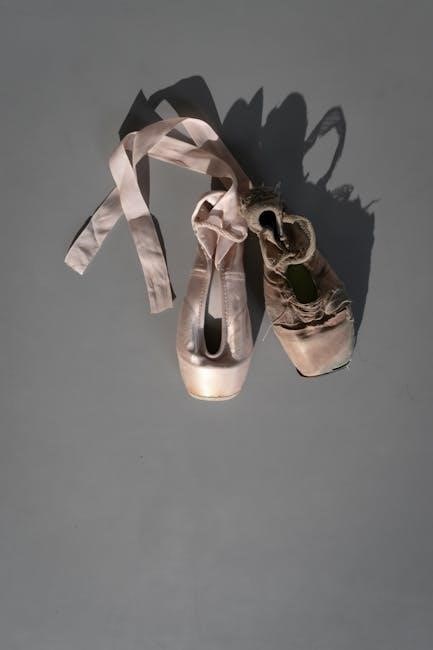
Consider elastic placement and ribbon tying techniques to customize the fit further. Properly adjusted ribbons can provide additional support and accommodate varying foot shapes. Prioritize comfort and functionality when selecting the right size for your unique feet.
Tips for a Snug and Supportive Fit
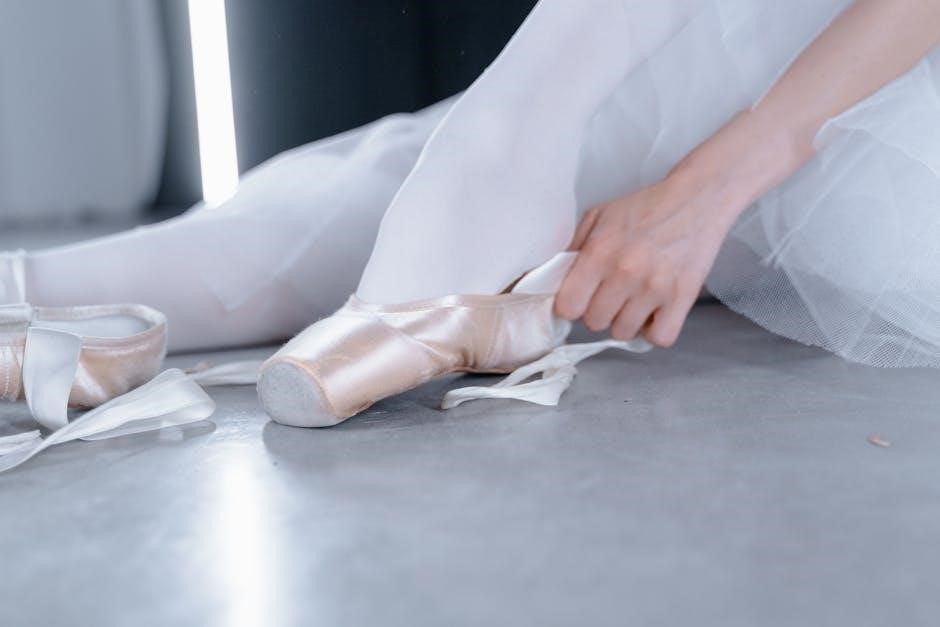
Achieving a snug and supportive fit in Capezio ballet shoes is vital for technique and preventing injury. Begin by ensuring the shoe fits closely around the heel and arch, with minimal slippage. A properly fitted shoe should feel secure without constricting circulation.
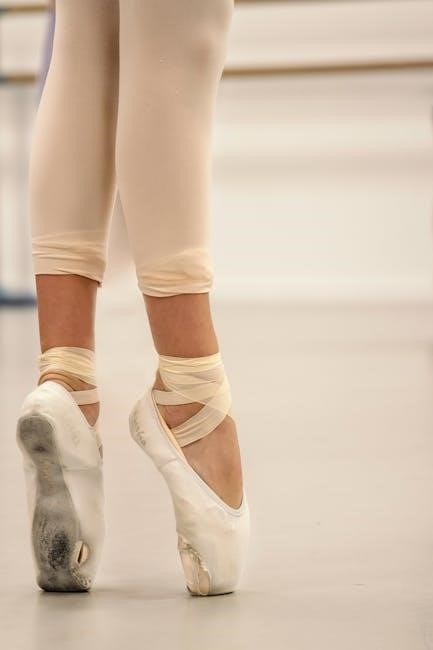
When trying on shoes, perform basic ballet movements – relevés, pliés, and tendus – to assess comfort and support. Pay attention to any areas of rubbing or discomfort. Remember, Capezio recommends a snug fit to enhance foot and ankle support.
Ribbon placement significantly impacts fit. Securely tie ribbons, ensuring they are snug but not overly tight, to provide stability. Experiment with different tying methods to find what works best for your foot shape.
Consider using gel pads or toe spacers for added cushioning and comfort, particularly if you have bunions or sensitive areas. Regularly check the fit of your shoes, as feet can change over time. Prioritize a comfortable, supportive fit to maximize performance and minimize risk of injury.
Where to Find Official Capezio Size Charts
Accessing official Capezio size charts is crucial for accurate fitting. The primary source is the Capezio website, offering comprehensive charts for adult ballet, child ballet, lyrical, acro, and tap shoes. These charts are regularly updated, ensuring the most current sizing information.
Look for dedicated “Sizing Charts” sections within the Capezio website’s navigation. You can also find direct links to specific charts on individual product pages. Capezio provides downloadable charts in PDF format for convenient offline access.
Authorized Capezio retailers, both online and brick-and-mortar stores, often display size charts in-store or on their websites. However, always verify that the chart is the official Capezio version.
Capezio’s customer care team can also assist with sizing inquiries. Contact them through the website’s “Contact Us” page for personalized guidance. Remember to consult multiple sources and prioritize the official Capezio charts for the most reliable results.
Capezio Size Charts for Boys Apparel
Capezio provides specific sizing guidance for boys’ apparel, recognizing the unique fit requirements for young male dancers. These charts cover a range of items, including dance shorts, shirts, and tights, ensuring comfortable and appropriate attire.
The Capezio website features dedicated size charts for boys’ apparel, categorized by garment type. These charts typically include measurements for chest, waist, and inseam, allowing for a precise fit. It’s essential to accurately measure the dancer before consulting the chart.
Capezio’s sizing often correlates with age and height, but individual variations can occur. Always prioritize measurements over age recommendations. Consider the dancer’s build – a more athletic build may require a larger size.
Authorized retailers also display Capezio boys’ apparel size charts. When purchasing online, carefully review the size chart provided on the product page. Capezio aims to provide apparel that supports movement and confidence for young male dancers.
Comments