Printable Gout Diet Food List PDF Overview
Download a ready‑to‑print PDF featuring a low‑purine food chart, uric‑acid guide, and weekly meal planner․ It comes in US Letter and A4, with unlimited personal printing․ Use it digitally on tablet or phone, and display it as a clear, poster‑style layout․ It also adds a grocery list for quick shopping!!․
Low Purine Foods Chart Features
The Low Purine Foods Chart is a core component of the printable gout diet food list PDF bundle․ It presents a comprehensive, color‑coded table that separates foods into three clear categories: Eat, Limit, and Avoid․ Each entry is annotated with its purine value per 100 g, a brief note on glycemic impact, and a quick reference to inflammatory potential․ The chart is designed for instant visual recognition, making it easy for patients to scan a grocery bag or a kitchen counter and identify safe choices at a glance․
Key features include:
- Purine‑based sorting: Foods ranked from <0․5 mg/100 g to >200 mg/100 g, tailoring intake․
- Daily reference guide: Top 10 low‑purine staples for quick meal planning․
- Integrated meal planner: Weekly rotations within each category keep purine controlled․
- Printable grocery list: Pulls selected items into a ready‑to‑print sheet․
- Digital & print versatility: PDF supports US Letter, A4, unlimited printing, tablet/phone use․
- Poster‑style layout: Bold headers, contrasting colors, concise notes for distance reading․
Users can customize the chart by highlighting personal favorites or marking foods to avoid, thanks to the editable PDF format․ This flexibility supports individualized diet plans and encourages long‑term adherence․ All updates remain free!
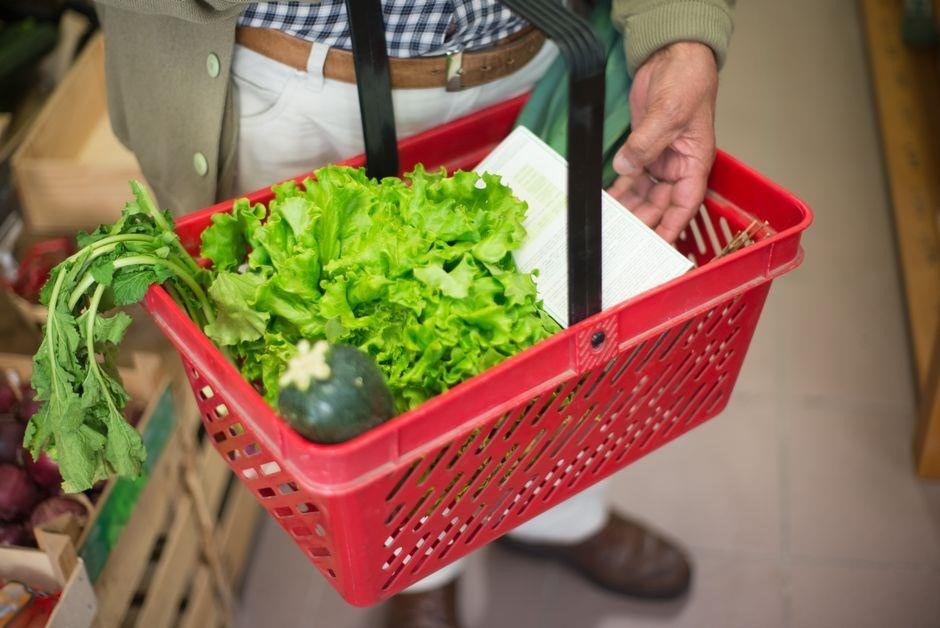
Eat, Limit, and Avoid Food Categories by Purine Content
In the printable gout food list PDF, foods are grouped into three distinct sections based on their purine concentration: Eat, Limit, and Avoid․ The Eat column lists items that contain less than 50 mg of purines per 100 g, such as fresh fruits, most vegetables, whole grains, low‑fat dairy, and plant‑based proteins like lentils and chickpeas․ These foods are recommended daily because they support hydration, provide essential micronutrients, and keep serum uric acid low without triggering flare‑ups․
The Limit section includes foods with moderate purine levels (50–150 mg/100 g)․ Examples are eggs, poultry, fish, and moderate portions of beans․ These items can be consumed but should be measured carefully—typically no more than one serving per day—to avoid excessive uric acid production while still offering valuable protein and vitamins․
The Avoid column lists high‑purine foods (over 150 mg/100 g) that are best excluded or drastically reduced․ This includes organ meats, certain seafood like sardines and anchovies, and processed meats such as sausages․ Additionally, sugary beverages, alcohol (especially beer), and deep‑fried or high‑fat desserts are flagged for avoidance due to their inflammatory potential and indirect contribution to uric acid spikes․
Each category is color‑coded for quick reference: green for Eat, yellow for Limit, and red for Avoid․ The printable PDF also offers a quick‑reference legend that explains purine thresholds and provides tips for portion control․
When planning meals, start with the Eat section, incorporate a Limit item as a protein source, and keep Avoid items out of the weekly menu․ The PDF includes a printable grocery list that pulls selected items from each section, allowing users to shop efficiently while staying within purine guidelines․
Users can download the editable version to highlight personal preferences or mark foods they have trouble finding․ The printable format supports unlimited personal printing, enabling users to keep a copy in the pantry, fridge, or on a phone for on‑the‑go reference․
Digital use on tablets or phones is supported, with a responsive layout that scales to screen size․ The poster layout is easy to read, with large fonts and high‑contrast colors for quick decision making during grocery shopping or meal prep․
The chart also includes a brief note on glycemic index for each food, helping users manage blood sugar while controlling purines․ Users can annotate the PDF to personalize their diet plan, marking foods they enjoy or need to avoid due to allergies․
The printable PDF is available in both US Letter and A4 sizes, ensuring compatibility with most printers worldwide․ The file is a high‑resolution PDF, ensuring crisp text and clear color coding even after multiple prints․
Gout Meal Planner and Grocery List Integration
The printable gout food list PDF offers a built‑in weekly meal planner that syncs directly with a grocery list․ Users can drag and drop selected foods from the Eat, Limit, and Avoid sections into a 7‑day grid․ Each day’s plan automatically tallies total purine grams, ensuring daily intake stays below the recommended threshold․ The planner includes suggested portion sizes—cups for vegetables, ounces for proteins, and servings for grains—so users can adjust portions without exceeding limits․
Once the weekly menu is finalized, the PDF generates a consolidated grocery list․ Items are grouped by aisle: produce, dairy, pantry, and refrigerated․ The list highlights low‑purine staples like quinoa, oats, and Greek yogurt, while flagging high‑purine items that should be omitted․ Users can print the list or export it to a mobile note‑taking app, making it easy to carry while shopping․
Integration features include a “quick add” button that inserts a food into the planner and updates the grocery list in real time․ Users can also mark foods as favorites, which then appear in a separate “My Favorites” section for faster meal planning․ The planner tracks weekly purine totals, providing visual feedback with color bars: green for acceptable, yellow for borderline, and red for high․
The PDF is fully editable; users can add custom meals, adjust portion sizes, and annotate notes directly on the planner․ The grocery list can be printed double‑sided to save paper, and the file supports both US Letter and A4 formats․ Digital use on tablets or phones is optimized for touch input, allowing users to swipe between days or tap items to view nutritional details․
By combining a structured meal planner with an automatically generated grocery list, the printable gout food list PDF simplifies diet adherence, reduces the risk of accidental high‑purine purchases, and supports consistent uric acid control․
File Details: PDF Format and Page Sizes
The downloadable file is a high‑resolution PDF, ensuring crisp text and clear tables for every print․ It contains two page‑size options: the standard US Letter (8․5″ × 11″) and the European A4 (210 mm × 297 mm)․ Both formats preserve the same layout, so whether you print on a home printer or a commercial press, the charts and meal‑planner sections remain perfectly aligned․ The PDF is fully editable in most PDF readers, allowing you to highlight, annotate, or add personal notes without altering the original design․ Users can print unlimited copies—no watermark or page limits—making it ideal for sharing with family, friends, or healthcare providers․ Additionally, the file is optimized for digital use; the touch‑friendly layout works smoothly on tablets and smartphones, letting you swipe through days or tap items for quick nutritional data․ The document’s metadata includes the title “Gout Diet Food List,” author, and creation date, ensuring easy cataloging in digital libraries․ The file’s design follows accessibility guidelines, featuring high‑contrast text and a clear hierarchy that aids users with visual impairments․ It also supports right‑to‑left languages, making it suitable for international use․ The PDF’s internal links allow quick navigation between the meal planner, grocery list, and nutritional facts sections․ Finally, the file is protected by a read‑only setting to preserve formatting across all devices․ These features make the PDF a reliable, user‑friendly tool for managing gout through diet․

Unlimited Personal Printing Options
With the printable gout diet food list PDF, you enjoy truly unlimited printing freedom․ The file is engineered for repeat use, so you can print as many copies as you need without encountering watermarking, page limits, or quality loss․ Whether you prefer crisp black‑and‑white prints for quick reference or full‑color versions that highlight low‑purine foods, the PDF’s vector graphics remain sharp at any scale․ You can choose from a variety of paper weights—standard 80 gsm copy paper, heavier 120 gsm cardstock for a durable poster, or even eco‑friendly recycled stock—without altering the layout․ The document’s margins and grid system automatically adjust to your printer’s settings, ensuring that headers, footers, and table borders stay aligned on every sheet․ For those who like a tactile feel, the PDF can be printed on spiral‑bound or stapled formats, making it easy to carry through grocery trips or doctor appointments․ If you need a larger display, the file supports scaling up to 2× or 3× the original size, turning the chart into a wall poster that can be hung in the kitchen or office․ Digital printing services can also export the PDF to high‑resolution TIFF or JPEG formats for professional printing, guaranteeing that color accuracy and contrast remain consistent․ Because the file is read‑only, the original design is protected, but you are free to add personal annotations or highlight specific foods directly on the printed copy․ This flexibility makes the gout diet guide an indispensable companion for patients, caregivers, and dietitians alike․ Feel confident that each print is ready, no extra setup needed—just print and go!!!․
Digital Use on Tablet or Phone
The printable gout diet food list PDF is fully optimized for mobile devices, ensuring a seamless experience whether you’re on an iPad, Android tablet, or smartphone․ The file’s responsive layout automatically resizes to fit the screen, preserving the clarity of the low‑purine chart and the weekly meal planner․ You can zoom in on a food category without pixelation, thanks to vector graphics that scale smoothly․ The PDF supports touch interactions, allowing you to tap on a food item to reveal quick notes, nutritional facts, or a “add to grocery list” button․ For users who prefer a more interactive approach, the file can be opened in apps like Adobe Acrobat Reader or PDF Expert, where you can highlight sections, underline key points, and even add sticky notes directly on the screen․ The document is also compatible with cloud services such as Google Drive and iCloud, so you can access the latest version from any device without downloading multiple copies․ Additionally, the PDF’s file size is optimized for fast loading, so you won’t experience lag when scrolling the meal plan or purine chart․ Because the file is read‑only, accidental edits are prevented, but you can still export selected pages as images for sharing on social media or messaging apps․ This mobile‑friendly format makes it easy to consult the gout diet guide during grocery shopping, while cooking, or on the go, ensuring you stay on track with your dietary goals at all times․ Download the PDF now and keep your diet organized at every step of recovery! Stay ready
Easy-to-Read Gout Diet Poster Layout
Designed for quick reference, the printable gout diet food list PDF features a poster‑style layout that balances visual appeal with functional clarity․ The page is divided into three distinct zones: “Eat,” “Limit,” and “Avoid․” Each zone is color‑coded—green for safe foods, yellow for moderation, and red for restricted items—making it easy to scan at a glance․ The font size is large (at least 14 pt) and uses a sans‑serif typeface, ensuring readability even from a distance․ The chart is arranged in a grid, with food groups such as vegetables, fruits, proteins, grains, and fats listed in rows and purine levels in columns․ Icons accompany each entry to indicate whether a food is low‑purine, moderate, or high, and a small note explains the impact on uric acid levels․ A sidebar provides quick tips for meal timing, hydration, and portion control, while a footer lists the source and a QR code that links to an online grocery list․ The layout is printed on high‑quality matte paper, which resists glare under kitchen lights․ Because the file is in PDF format, you can print multiple copies or enlarge the poster to A3 size for a wall display․ The design also supports digital viewing; the poster can be zoomed on a tablet or phone without losing legibility, making it a versatile tool for both home and clinic settings․ This poster layout turns complex dietary data into an accessible visual guide that helps patients stay compliant and confident in managing gout․ Feel free to customize the colors or add your own notes to tailor the poster to your personal preferences and dietary goals․ Additionally, you can print the poster in multiple sizes, such as A4 for desk use or A2 for a classroom display, ensuring that the information remains clear and accessible in any setting․ Enjoy a healthier lifestyle! and stay gout‑free․
Purine-Restricted Diet Guidelines
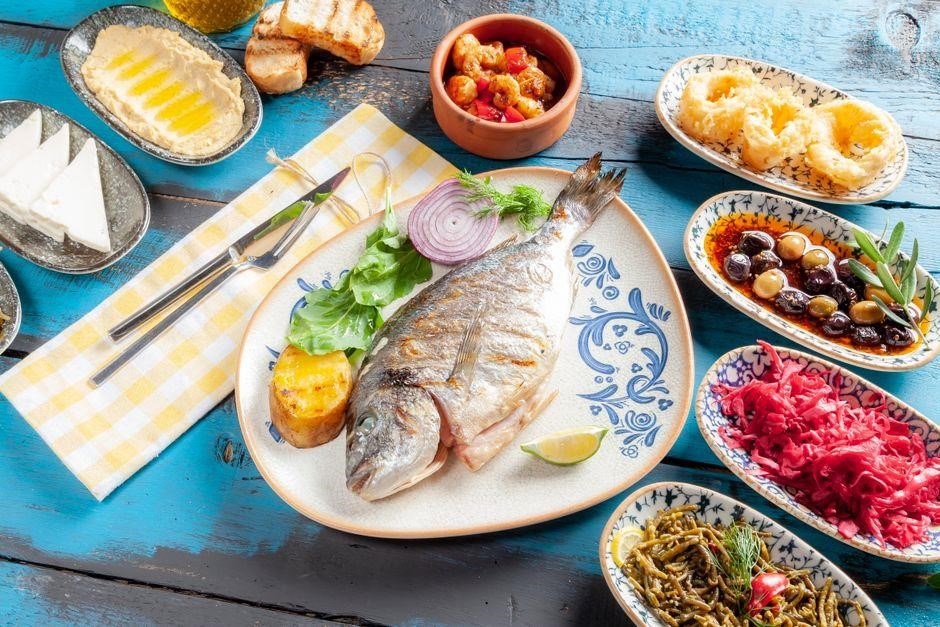
Adhering to a purine‑restricted diet is essential for managing gout flare‑ups․ The printable gout food list PDF offers a clear, color‑coded chart that separates foods into “Eat,” “Limit,” and “Avoid” categories based on purine content․ Begin each day with balanced breakfast of low‑purine grains fresh fruit․ For lunch and dinner, choose plant‑based proteins such as lentils, chickpeas, and tofu, and pair them with a generous serving of non‑starchy vegetables․ Keep red meats, organ meats, and high‑purine seafood to a minimum—ideally no more than once a month․ Alcohol, especially beer, should be avoided during the first six months of treatment, and if consumed, limit to one glass per week․ Maintain a daily water intake of at least 2 liters to promote uric acid excretion, and consider adding lemon or apple cider vinegar․ Portion control is key: aim for 3–4 oz of protein per meal and fill the rest of the plate with vegetables․ Use herbs and spices instead of salt to reduce sodium intake․ Track meals with the PDF’s grocery list and weekly planner to stay on target․ Consistency, hydration, and mindful food choices together create a sustainable lifestyle that keeps uric acid levels in check and reduces the likelihood of painful attacks․ Stay hydrated avoid sugary drinks daily always!
Weight Management Tips for Gout Patients
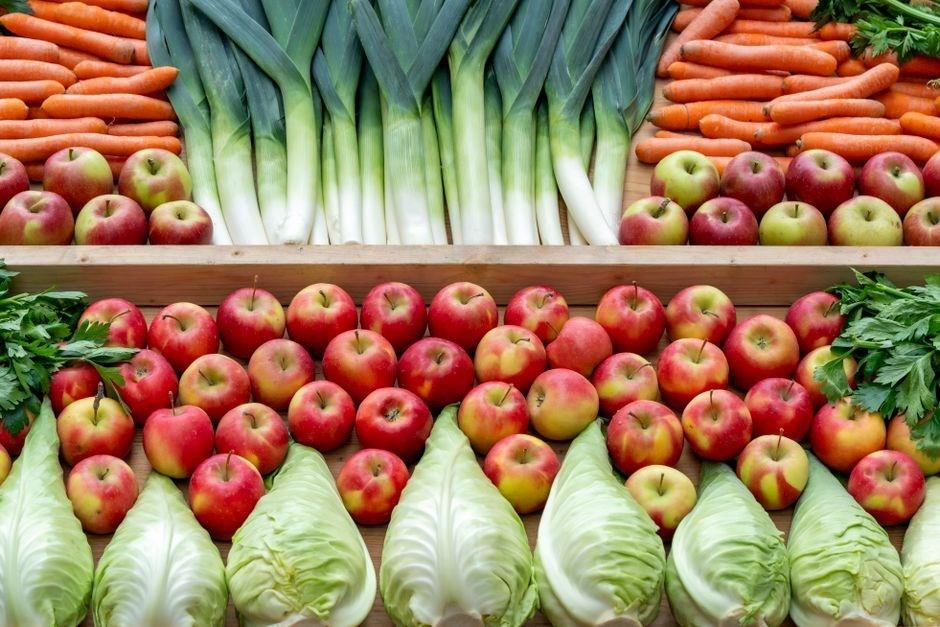
Maintaining a healthy weight is a cornerstone of gout management, and the printable gout food list PDF offers a practical roadmap․ Begin by setting realistic goals: aim to lose 1–2 lb per week, which reduces uric acid production without triggering a flare․ Use the PDF’s meal planner to schedule balanced, low‑purine meals that keep calories in check․ Focus on high‑fiber foods—whole grains, legumes, and non‑starchy vegetables—to promote satiety and stabilize blood sugar․ Replace refined carbs with complex carbs, and choose lean proteins such as skinless poultry, eggs, and plant‑based options․ Keep portion sizes moderate; the PDF’s visual guides help you gauge servings without counting calories․ Incorporate regular physical activity—30 minutes of brisk walking or cycling most days—to burn excess calories and improve insulin sensitivity․ Avoid sugary drinks and limit alcohol; the PDF lists safe beverage alternatives like sparkling water with a splash of citrus․ Stay hydrated—aim for 2–3 liters of water daily—to aid uric acid excretion․ Finally, track progress with the PDF’s weight log and adjust portions as needed․ Consistency, hydration, and mindful eating create a sustainable weight‑loss plan that lowers gout risk and improves overall health․ Adequate sleep of 7–9 hours per night supports metabolic health and reduces inflammation․ Practice stress‑reduction techniques such as deep breathing, meditation, or yoga; chronic stress can elevate cortisol and worsen gout symptoms․ Consider consulting a registered dietitian for personalized guidance; the PDF’s link to BC Renal Dietitians resources can help tailor the plan to kidney function if needed․ Use the grocery list to shop for low‑purine, nutrient‑dense foods, and keep a pantry stocked with staples like oats, quinoa, and fresh produce․ When dining out, request dishes that are grilled, baked, or steamed, and ask for sauces on the side to control sodium and sugar․ Finally, celebrate milestones—every 5 lb lost or every week without a flare—by rewarding yourself with non‑food treats like a new book or a massage․ This positive reinforcement keeps motivation high and reinforces healthy habits․ Remember, gradual changes are safer; rapid weight loss can precipitate a gout attack․ Therefore, combine the printable PDF’s meal templates with a consistent exercise routine, adequate hydration, and regular monitoring of uric acid levels․ Over time, this holistic approach not only reduces flare frequency but also improves cardiovascular health, blood pressure, and overall quality of life․
Gout Safe Foods List Organized by Food Groups
The printable gout food list PDF arranges 35 gout‑safe foods into five distinct groups, each with seven items․ Vegetables include leafy greens, broccoli, carrots, bell peppers, cucumbers, zucchini, and cauliflower—low in purines and high in anti‑inflammatory compounds․ Fruits feature cherries, berries, apples, pears, oranges, grapes, and kiwi—rich in antioxidants that help lower uric acid․ Low‑purine proteins comprise eggs, tofu, tempeh, lentils, chickpeas, black beans, and quinoa—providing essential amino acids without triggering flare‑ups․ Whole grains such as oats, brown rice, barley, millet, buckwheat, amaranth, and rye supply fiber and steady energy․ Healthy fats are sourced from olive oil, avocado, nuts, seeds, flaxseed, chia, and walnuts—supporting joint health․ The PDF’s clear layout lets you quickly reference each group, plan balanced meals, and keep grocery lists organized․ By focusing on these 35 foods, you can maintain a low‑purine diet while enjoying variety, flavor, and nutritional completeness․ The printable format also allows you to mark favorites, track consumption, and adjust portions as needed, making it a practical tool for everyday gout management․ The guide highlights portion control tips and suggests pairing low‑purine proteins with whole grains․ It also includes a quick reference chart for grocery shopping, ensuring you always have the right ingredients on hand․ With this organized approach, patients can confidently navigate restaurants, social meals, and family gatherings while staying on track with their gout‑friendly eating plan․ Moreover, the PDF offers a weekly meal planner that integrates these food groups, allowing you to rotate options and prevent dietary boredom․ Remember to drink at least 2–3 liters of water to uric acid clearance!!!
BC Renal Dietitians Resources for Gout Nutrition
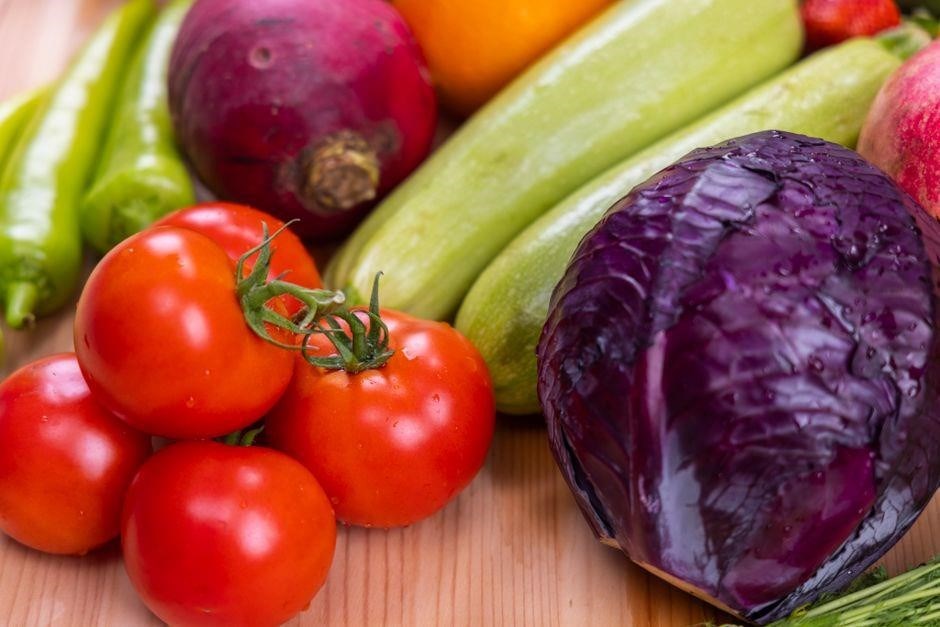
BC Renal Dietitians provide a full suite of gout‑friendly tools that also respect kidney‑health guidelines․ Their online portal offers a downloadable printable gout food list PDF that sorts foods into “Eat, Limit, Avoid” categories based on purine levels and renal safety․ The PDF is available in US Letter and A4, can be printed or viewed on tablets and phones, and includes a clear, poster‑style layout for quick reference․ Alongside the food list, the portal hosts interactive meal‑planning worksheets that blend gout and renal dietary restrictions, ensuring adequate protein while limiting purines․ A grocery‑shopping checklist, water‑intake tracker, and symptom‑log template help patients monitor uric‑acid spikes and hydration status․ BC Renal Dietitians also offer educational videos that explain how to pair low‑purine foods with proper hydration and how to adjust sodium and potassium for kidney safety․ The downloadable PDF can be personalized with patient names and specific dietary limits, making it a useful tool for clinicians and patients alike․ All materials are updated annually to reflect the latest research on gout management and renal nutrition, and are free for members of the BC Renal Dietitians Practice Group․ Patients can join monthly webinars hosted by BC Renal Dietitians, where dietitians discuss case studies, answer questions, and share success stories․ The community forum offers peer support and recipe exchanges that respect both gout and renal constraints․ All resources are accessible through a secure member portal, ensuring privacy and ease of use․ Whether you are newly diagnosed or managing long‑term, these tools empower you to make informed choices that honor both your joint and kidney health․ For more information, visit the BC Renal Dietitians website and request the printable gout food list PDF today․

Next Steps: How to Obtain and Use the Printable PDF
To access the printable gout food list PDF, visit the official marketplace or the BC Renal Dietitians portal․ Click the “Download” button on the product page, and the PDF will automatically save to your device․ The file is compatible with Windows, macOS, iOS, and Android, so you can open it on a laptop, tablet, or smartphone․ Once downloaded, you can print the document in US Letter or A4 format, depending on your printer․ If you prefer a digital version, simply open the PDF on your tablet or phone and use the built‑in zoom feature to enlarge the “Eat, Limit, Avoid” chart for easy reading․ The layout is designed to be poster‑friendly, so you can hang it on a kitchen wall or keep it in a recipe binder․ For personalized use, open the PDF in a PDF editor that allows text editing, add your name, and highlight the foods that fit your individual purine restrictions․ If you need to share the list with a healthcare provider, use the “Share” feature in your PDF viewer to email the file directly․ The printable PDF also includes a grocery‑shopping checklist; simply print the checklist and tick items as you shop․ To track your progress, keep a separate notebook or use a note‑taking app to record daily uric‑acid levels, symptoms, and any dietary adjustments․ By following these steps, you can seamlessly integrate the printable gout food list into your daily routine and maintain a low‑purine diet that supports both joint and kidney health․ Adjust the plan as your doctor recommends for optimal results․ Stay consistent․
Comments